A tougher market
Exits have gotten harder. Secondaries have turned into the default route to liquidity, priced at a discount one panelist called the cost of liquidity in 2026. The average fund now takes more than two years to raise, and a good chunk of the industry, by some counts as much as a fifth, has no realistic path to their next fund. The source of capital has also shifted. Private wealth allocations have grown several times over, and the biggest managers now pull in tens of billions a quarter from that channel, even as some long-standing sources sit out. In a market this tight, operating leverage is one of the few things a firm can manufacture on its own, which is why the AI conversation carried the weight it did.
AI works best inside the workflow
The firms getting real value build AI into the work that happens every day: prepping for meetings, running diligence, fielding investor questions, and sourcing, rather than running it off to the side as one more tool. When AI sits inside the work, it captures and organizes data as people go. Nothing gets re-entered, every interaction ties back to the right contacts and entities, and the useful signal stops getting buried. A standalone chatbot can make one person faster on one task. The bigger gains come when AI is built into the enterprise systems where the whole team is already working.
Starting an AI initiative doesn’t require 100% clean data, either. Plenty of firms treat cleanup as step one, standardize everything, then switch AI on, and they stall there, because the data keeps changing under them. Embedded AI improves the data as the team uses it, so you can start with what you have. Liz Gaffney of InvestorFlow spoke about one connected layer of intelligence doing more than a stack of tools that don’t talk to each other. With that connectivity in place, relationship, workflow and knowledge intelligence build on each other, and the things that drive a deal, a portfolio company’s growth, its exit readiness, the risk of missing a window, show up in real time instead of getting pieced together after the fact.
How InvestorFlow handles AI in Investor Relations and CRM workflows
By embedding intelligence where teams already work, InvestorFlow automates repetitive steps and returns time for relationship building. Specific ways InvestorFlow does this:
- Its AI-enabled CRM auto-ingests calendar and email activity into the system of record, so outside touches are logged without manual entry.
- Before meetings, InvestorFlow generates tailored prep packs pulled from prior private interactions, portfolio signals, and external news; after meetings it auto-summarizes notes, extracts KPIs and investor preferences, drafts follow-up emails, and creates task lists.
- The platform connects investor portals, virtual data rooms, deal records and fundraising pipelines so every interaction ties back to the right contact, fund, and opportunity—data that improves as the team uses it, not after a separate cleanup project.
Differentiator: unlike generic tools that bolt AI onto fragmented data, InvestorFlow is built for private markets — its AI learns from a connected layer of investor, fund, and deal context to surface fundraising and IR insights you can act on immediately.
What this looks like at one firm
InvestorFlow brought a real example to a rapid-fire panel. A $200 billion private credit manager moved its whole investor-meeting process onto an AI-enabled CRM setup, and did it without cleaning house first. A meeting runs through six stages, from scheduling to follow-up, and AI now handles four of those steps. Calendar activity flows into the system of record on its own, so every outside interaction gets logged without anyone keying it in. Ahead of each meeting, the team gets a prep packet pulled together from past private interactions, recent external news and other signals, ready to review before they walk in. Afterward, they reply to an automated email with their notes, and AI summarizes the record. It pulls out the KPIs, notable investor preferences, and next steps, and creates a draft email response. Follow-ups land in a task list, and suggested pipeline items become one-click updates.
The data gets cleaner on its own as the team works, because every interaction is already tied to the right companies, contacts, opportunities, and funds. The CRM is transforming from a place where the team logged information to a place where they get a return on their work. The process isn’t done evolving, and the team will tell you that. Future innovations include logging notes through a Teams chat and building a target list for the next fundraise off the signals they have already captured. A human stays in the AI workflow loop wherever judgment or compliance calls for it, but now they’re spending more face time with clients instead of on administrative tasks.
What teams get back
One theme came up on multiple panels: AI can replace knowledge, but not understanding. Private markets Platform transactions run on relationships, and the trust in those relationships takes years, sometimes decades, to build. So when AI takes the prep, the note-taking and the follow-up chasing off someone’s plate, it hands back time for the work that only people can do: relationship building.
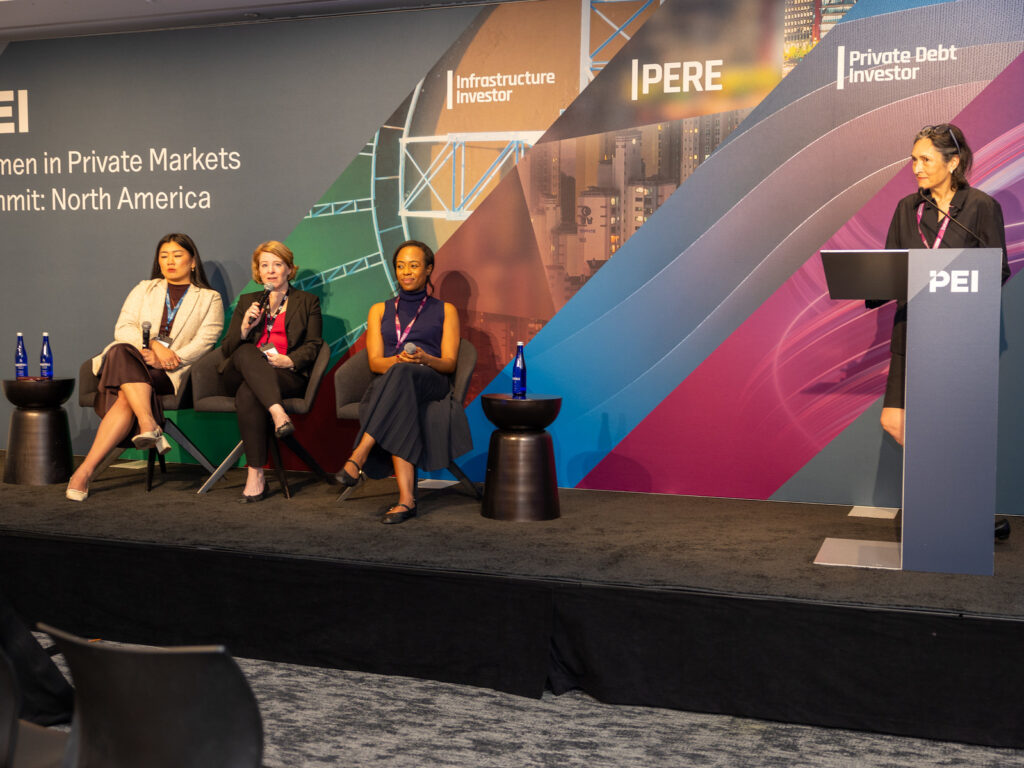
The talent conversation was a key part of the day, appropriate for a summit about the next generation of leaders. What firms screen for in a new hire has shifted. A few years ago, the focus was on whether a candidate could build the analysis. Now it is whether someone would catch it when the AI analysis is wrong. Junior people still need to sit in the room while senior people make the calls, and they still need to understand what a model is doing before they rely on what it produces. AI raises the bar for everyone in the firm while it clears the busywork.
AI adoption is now a fundraising question
AI adoption itself has turned into a fundraising question. LPs are pressing GPs on how aggressively they are putting AI to work inside their portfolio companies, partly to gauge how serious a firm is about driving value creation, and partly to read how capable the team is. It functions as a diligence check box: a manager who can show AI producing real gains across the book stands apart from one still describing pilots. One estimate raised on the panel put the edge at a 5 to 15% premium on exit valuation for portfolio companies where AI is driving measurable value. The advice for that conversation was blunt: be straight about where you are. Most firms are piloting more than scaling right now, and honesty about that reads better to an LP than a tidy story that does not hold up.
The window is open
The summit's clearest signal was about timing. The 6% who have made AI real share a method more than a budget: they unified the data, embedded AI in the workflows that run most often, kept people in the loop, and started before the path was obvious. That advantage compounds quarter over quarter. The work to build it begins today — and it rewards the firms that move with intention.